The New Moscow: A Digital Utopia Doubling as a Surveillance Trap
新莫斯科:監控陷阱下的數位烏托邦
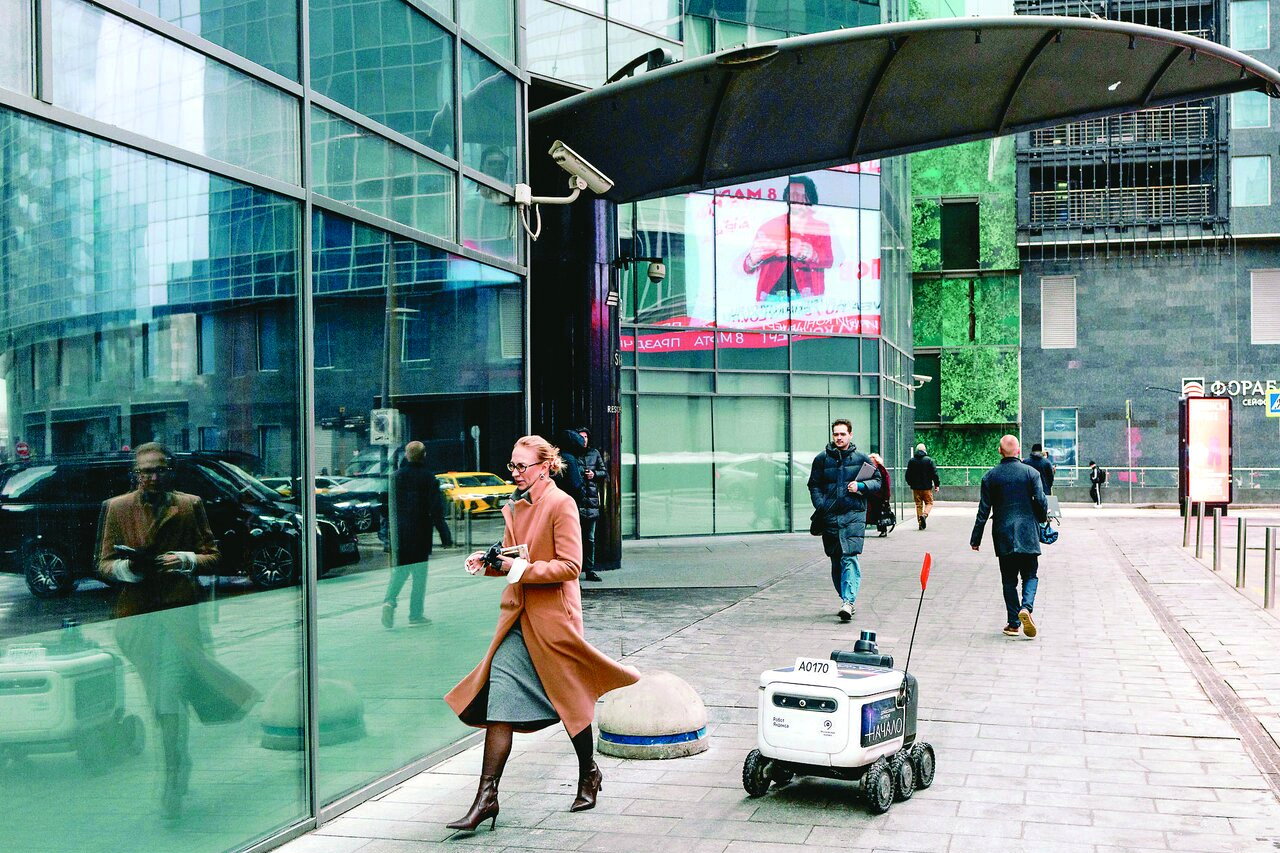
On the surface, today’s Moscow is a technological wonderland. You can use your face to pay for almost anything, like subway fares, or even to finalize the purchase of an apartment. Robots scurry across sidewalks making 15-minute grocery deliveries, and driverless taxis are set to begin commercial service this year.
表面上看,如今的莫斯科是個科技奇蹟之都。舉凡搭乘地鐵甚至簽約買房,幾乎所有消費都能「刷臉」支付。外送機器人在人行道上穿梭,15分鐘內就能將生鮮送達,自動駕駛計程車也預計於今年正式投入商業營運。
Underpinning many of the modern amenities is a robust digital infrastructure developed by the city government that has made life not only easier, but also safer. Policing aided by digital tools has helped cement Moscow’s transformation from the raw, unforgiving place it was 25 years ago, plagued by home burglaries, street muggings and murders.
支撐這些現代便利設施的,是市政府打造的強大數位建設,讓生活不僅更便利也更安全。在數位工具輔助下,警方成功維持治安,擺脫了25年前住宅竊盜、街頭搶劫與謀殺案頻傳的陰霾,徹底翻轉莫斯科的城市面貌。
But there is a cost to the convenience and security: an expanding surveillance state.
然而,便利與安全背後的代價不菲:一個不斷擴張的監控國家正在形成。
Moscow’s roughly 300,000 CCTV cameras make it one of the most heavily watched cities in the world. It is impossible to avoid a lens while simply walking through the city. The same cameras that whisk subway passengers through turnstiles are also used to monitor and flag people.
莫斯科擁有約30萬支監視器,是全球受監控最嚴密的城市之一。走在街頭幾乎不可能避開鏡頭。那些讓地鐵乘客快速刷臉過閘門的攝影機,同時也被用來監視與標記特定人士。
In April, a Russian rock musician was detained by police at a railway terminal in St. Petersburg after surveillance cameras mistook him for a similar-looking Ukrainian public figure wanted by the state. After checking his face and pulling at his hair to ensure it was not a wig, they let him go.
今年4月,一名俄羅斯搖滾樂手在聖彼得堡火車站遭警方逮捕,主因是監視器誤將他認成一名長相相似、遭俄國通緝的烏克蘭公眾人物。警方在比對臉部並拉扯其頭髮確認非假髮後才放行。
The CCTV network is linked to biometric databases. Submission of biometric data is voluntary in Russia, but it is encouraged in widespread advertisements, and citizens cannot take full advantage of digital services without complying.
這套監視器網路與生物特徵資料庫相連。雖然俄國官方標榜自願提供資料,但鋪天蓋地的廣告不斷鼓吹,且民眾若不配合,就無法完整享受數位服務。
These databases help authorities target political dissent in addition to crime. Biometric feeds can be used to hunt down critics of the government after they hold gatherings. The days when outspoken Russians could flee to remote towns to avoid authorities, as they did during Josef Stalin’s purges, are largely over.
除了打擊犯罪,這些資料庫更協助當局鎖定異議人士。當政府批評者結束集會後,官方可利用生物特徵影像將其追捕。過去敢言的俄國人能像史達林大整肅時期逃往偏遠小鎮避難的日子,已不復存在。
As of July, around 10 million Russians were using biometrics-driven applications in some form, and the Kremlin wants to increase that number, pushing citizens to adopt the tools for identification not only at train stations, but also at airports. This year, Moscow City Hall announced that a biometric system would recognize passengers on buses and trams, automatically deducting their fare once they confirmed the transaction in an app.
截至7月,約1000萬俄國人以某種形式使用生物特徵應用程式,克里姆林宮更希望進一步擴增人數,推動民眾不論在火車站或機場都以此驗證身分。莫斯科市政府今年亦宣布公車與路面電車將導入生物辨識系統,乘客只要在App上確認交易,即可自動扣繳車資。
文/Ivan Nechepurenko,譯/國際中心
教育新血流失:是什麼逼走年輕教師?
新聞來源:https://udn.com/news/story/6904/9778046