
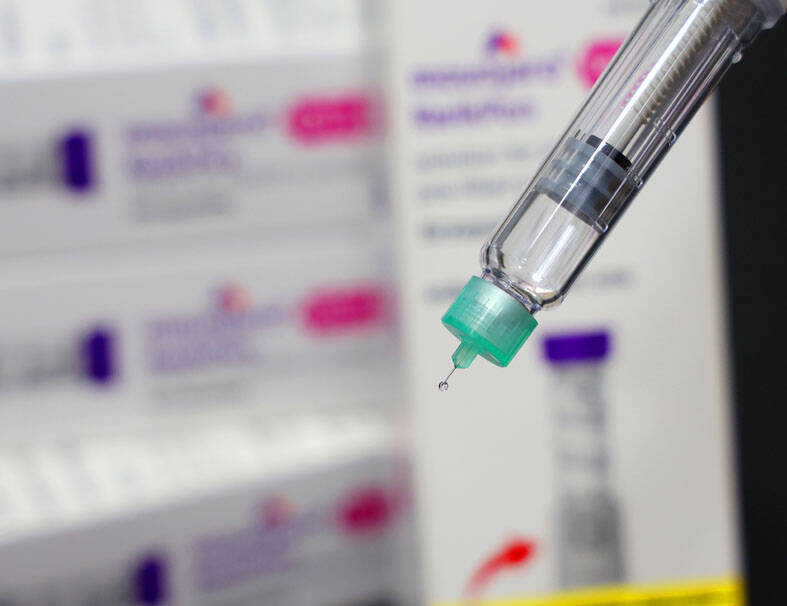
GOOD GUIDELINES:Use of GLP-1 drugs can have some secondary effects affecting a person’s readiness for surgery, the diabetes group working to spread knowledge said
By Lin Chih-yi and William Hetherington / Staff reporter, with staff writer
The Taiwan Association of Diabetes Educators yesterday said it plans to work with domestic and regional partners to develop Asia’s first set of guidelines on preventing and managing side effects associated with glucagon-like peptide-1 (GLP-1) drugs.
The guidelines would cover the safe use of the drugs for weight loss and diabetes management, including precautions for patients undergoing surgery or hospitalization, it said, adding that it hopes to publish them in an international academic journal in January.
Association chairman Ou Hung-yi (歐弘毅) said GLP-1 drugs slow gastric emptying, meaning food remains in the stomach longer. This can increase the risk of complications when patients undergo surgery or anesthesia.
He said patients are generally advised to stop taking the medication two weeks before surgery. However, patients with more severe diabetes should first be assessed by hospital diabetes care teams, which can adjust their treatment to keep blood sugar levels within a safe range while the medication is suspended. Patients who are already hospitalized are generally switched to insulin during their stay.
The association is inviting representatives from various Taiwanese medical organizations to help draft the guidelines, which would address precautions for different types of GLP-1 drugs, switching between medications and how to respond to accidental overdoses.
Ou said a preliminary draft is expected by the end of this month, with publication targeted for January. The guidelines are intended to help patients benefit from the drugs while minimizing risks, rather than cause alarm.
The Food and Drug Administration (FDA) said yesterday it has received 63 reports of suspected adverse reactions involving GLP-1 receptor agonists so far this year, primarily gastrointestinal problems..
Liu Chia-ping (劉佳萍), a senior technical specialist with the FDA’s Pharmaceutical Affairs Division, said 39 reports involved the drugs being used for weight loss, while 24 involved diabetes treatment.
Reported reactions included gastrointestinal problems such as abdominal pain, intestinal obstruction and pancreatitis, as well as hypoglycemia, nausea, vomiting and discomfort at injection sites.
Liu said the FDA has asked pharmaceutical companies to submit post-authorization safety study plans and develop risk management plans. It is monitoring drug safety information from Taiwan and abroad and implementing measures to address newly identified risks.
To prevent illegal products from entering the market, the FDA asks local health departments to conduct annual inspections of the distribution and use of GLP-1 injections.
The agency is working with Meta to remove posts advertising illegal sales and with the Taiwan Network Information Center to block illegal Web sites. It provides e-commerce platforms with keywords to help them identify and monitor prohibited online sales.
The FDA reminded the public that GLP-1 receptor agonist injections are prescription medications and should only be used following a doctor’s examination and professional assessment, in accordance with medical instructions.
Anyone experiencing a suspected adverse reaction should seek medical attention immediately. Healthcare professionals and patients who suspect a medication has caused an adverse reaction should report it to the national adverse drug reaction reporting center established by the Ministry of Health and Welfare.
The FDA also warned against purchasing the drugs through unauthorized channels or administering them without medical supervision, as improper use or products of uncertain origin could pose health risks.
新聞來源:
TAIPEI TIMES