
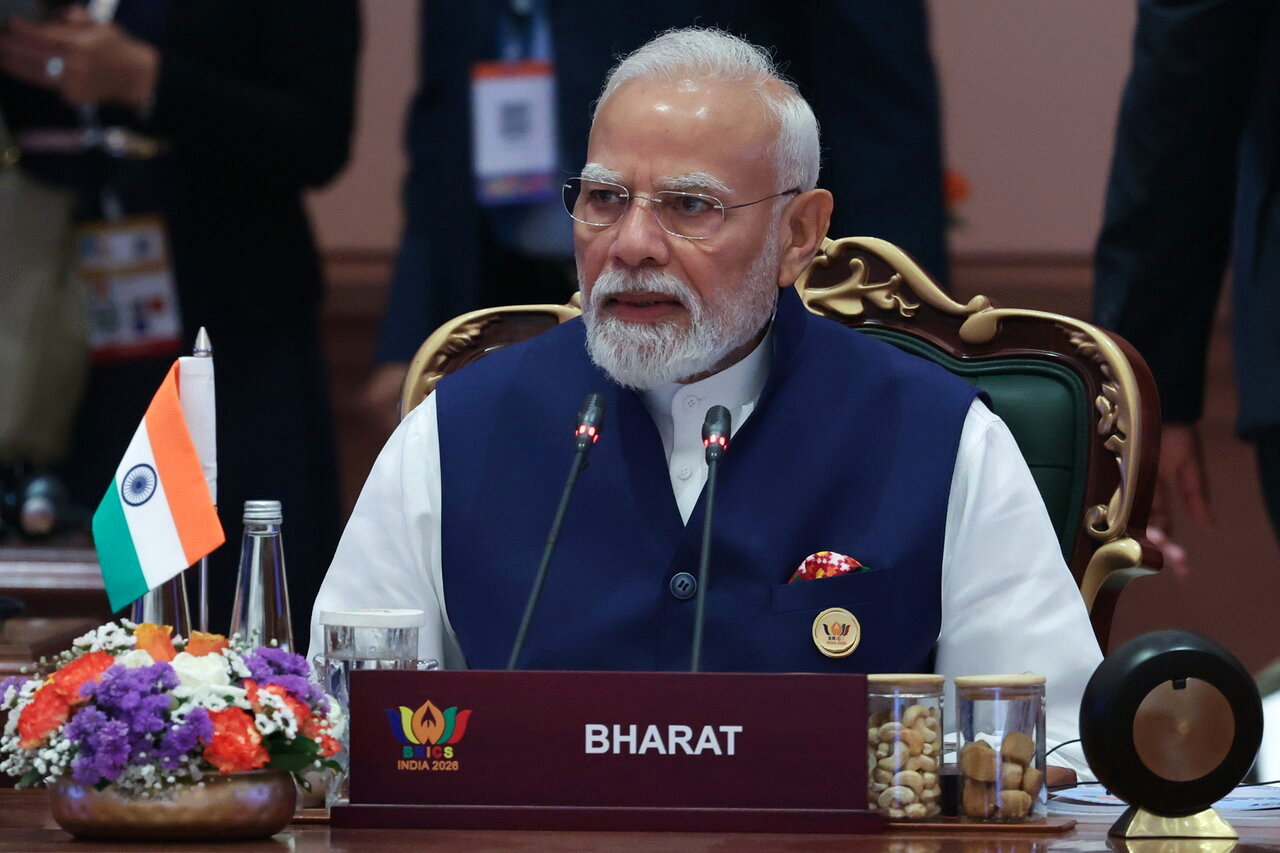
Media Giants in India Fight Modi Privacy Law
印度媒體巨頭聯手挑戰莫迪隱私法
An association representing 21 of India’s established news organizations has asked the country’s Supreme Court to strike down provisions of a new privacy law, warning that it would cripple investigative journalism and force newsrooms to close.
代表印度21家老牌新聞機構的協會,向最高法院聲請宣告新隱私法部分條文無效。協會警告:這部法律將重創調查報導,新聞部也可能因此撐不下去。
The challenge brings some of India’s most powerful media organizations into a legal battle that had until now been led largely by free speech activists and smaller independent news outlets.
這場訴訟把印度最有實力的媒體集團拉進法院。在此之前,類似行動多半由言論自由倡議者與小型獨立媒體出面。
The media coalition includes Network18 and NDTV, owned by billionaires Mukesh Ambani and Gautam Adani, respectively. Critics have derided both as “Godi media,” a pejorative term for news outlets perceived as overly deferential to Prime Minister Narendra Modi.
聯盟裡有富商穆克什・安巴尼的Network18,也有高塔姆・阿達尼的NDTV。兩家都曾被譏為「Godi media」——意思是對總理莫迪過度恭順、幾乎跟政府站同一邊的媒體。
At a hearing Tuesday, lawyers for the Digital News Publishers Association said the law would make it nearly impossible for journalists to do their jobs and called it a “complete regime of pre-censorship.”
周二開庭時,數位新聞出版協會的律師說,這部法律幾乎讓記者沒辦法做事,並將其稱之為全面的事前審查體制。
The publishers argue that the privacy law, set to take effect in May, treats news organizations as ordinary commercial businesses, requiring journalists to obtain explicit permission from people before reporting on them.
出版商主張:預定明年5月上路的隱私法,把新聞機構當成一般公司看,要求記者報導前必須取得當事人明示同意。
That could mean asking politicians, business executives and other powerful figures for permission to investigate their activities. Even after a story is published, those involved could withdraw their consent and demand its removal, the publishers said.
換句話說,要查政治人物、企業高層或其他權貴,可能得先問對方同不同意。稿子見報後,對方還可以撤回同意,要求下架。
“What is the point if I have to ask for permission and for consent?” Madhavi Divan, a lawyer representing the association, told the court.
「什麼都要先問可不可以、先取得同意,那還寫什麼?」代理協會的律師瑪達薇・迪萬在法庭上說。
Since Modi came to power in 2014, concerns about press freedom in India have intensified, fueled by legal and regulatory pressure on journalists, physical attacks, online harassment and growing restrictions on independent reporting.
莫迪2014年上台後,外界愈來愈擔心印度的新聞自由:記者碰上法律與行政壓力、肢體攻擊、網路騷擾,獨立報導的空間也愈來愈小。
First drafted in 2018, the privacy legislation was meant to fill a gap in India’s personal data protections. Previous safeguards were limited and “super dated,” said Thomas Vallianeth, a prominent privacy lawyer.
隱私法最早於2018年起草,原意是補上個人資料保護的不足。隱私律師湯瑪斯・瓦利亞內特說,舊有規範本來就少,而且「早就過時了」。
The new law established a comprehensive framework governing how organizations collect, store and use personal data. The government has not disclosed which companies the new law would affect.
新法規定組織如何蒐集、保存、使用個人資料。政府還沒說清楚,到底會管到哪些公司。
But legal experts say broad, vaguely worded exemptions give the government and its agencies considerable leeway to operate outside the law’s protections.
法律專家則指出,除外條款寫得又寬又含糊,政府和相關機關大可不必遵守這部隱私法的限制。
Versions through 2022 explicitly exempted news-gathering activities. But the final law did not include those protections.
2022年以前的版本,還曾明文排除新聞採集;最後通過的條文卻把這層保障拿掉了。
“This act was not meant for journalism at all,” Divan said. “If we have to ask for permission, newsrooms will shut down.”
「這部法根本不是為新聞業寫的,」迪萬說。「報導要先許可,新聞部只好關門大吉。」
文/Pragati K.B.,譯/國際中心
▪高為元調查案激烈討論近5小時 清大校務會議表決流會…校方發聲了▪桃園武和宮前學生施暴影片上網 單親媽:妹妹勸阻不了還被恐嚇▪清大校長挾優勢讓校務會議流會?學生會發聲明說明、抗議:絕未被掌握▪陸生借位拍照稱「小小賴清德拿下」遭驅逐出境 台大發聲了▪教授遭控刁難學業碩班生不幸亡 台北科大認定霸凌不成立